

In fintech, design isn't decoration. It's the primary mechanism by which users decide whether to trust you with their money. After 3 years designing financial products, here's what I know.
Trust is built in micro-momentsEvery interaction either builds or erodes trust. The transition animation between screens. The language in your error messages. The precision of your data visualisations. None of these are small.
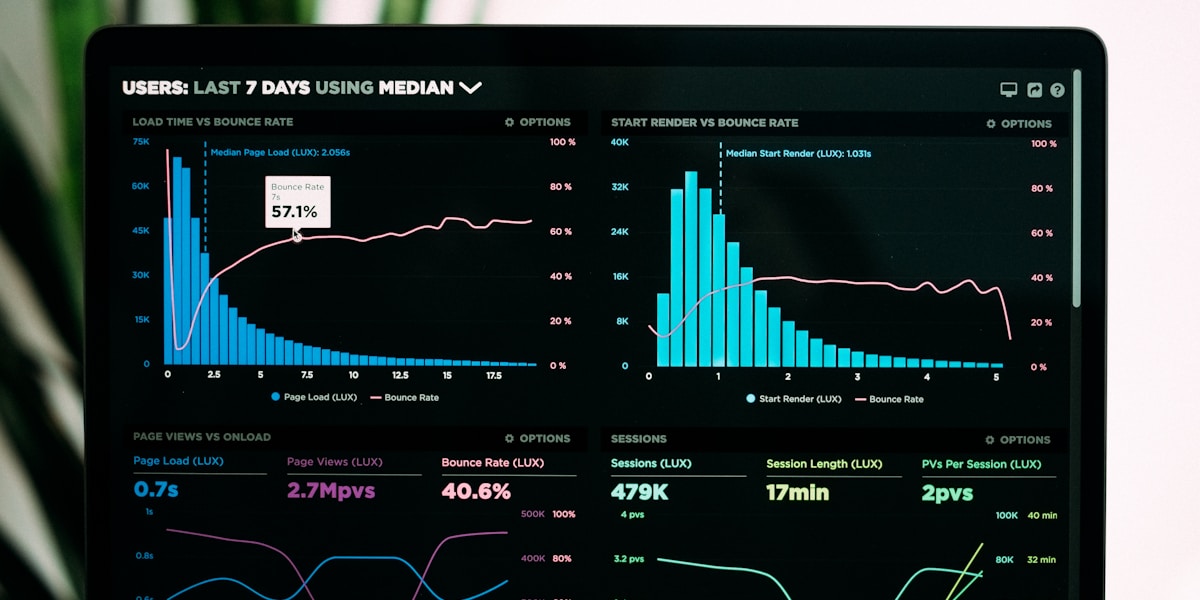
Data density is a trust signalShow users more data than they asked for. Show them their full transaction history. Show them the fee breakdown. Show them the risk factors. Users who feel informed feel trusted. Users who feel information is hidden feel suspicious.
Confession beats discoveryIf there's a fee, disclose it before the user discovers it. If there's a risk, explain it before it materialises. Proactive honesty is the most powerful trust-building tool in fintech.
The loading state problemFintech apps often have genuinely slow API calls. How you handle those 3-5 seconds defines the trust experience. A placeholder skeleton tells users something is happening. A spinning wheel raises anxiety. A predictive skeleton (showing what the screen will look like) builds confidence.
Language matters as much as design"Insufficient funds" is cold and clinical. "Looks like your balance is a little low — you need ₹200 more for this transaction" is human and helpful. Your copy is your design.
The regulatory compliance challengeEvery fintech designer eventually hits the wall of regulatory disclosures. The temptation is to hide them in tiny text. Don't. Design for compliance as a feature, not a constraint.

Comments (0)